Justice Bargained: Kuldeep Singh Sengar’s Life Sentence Suspended
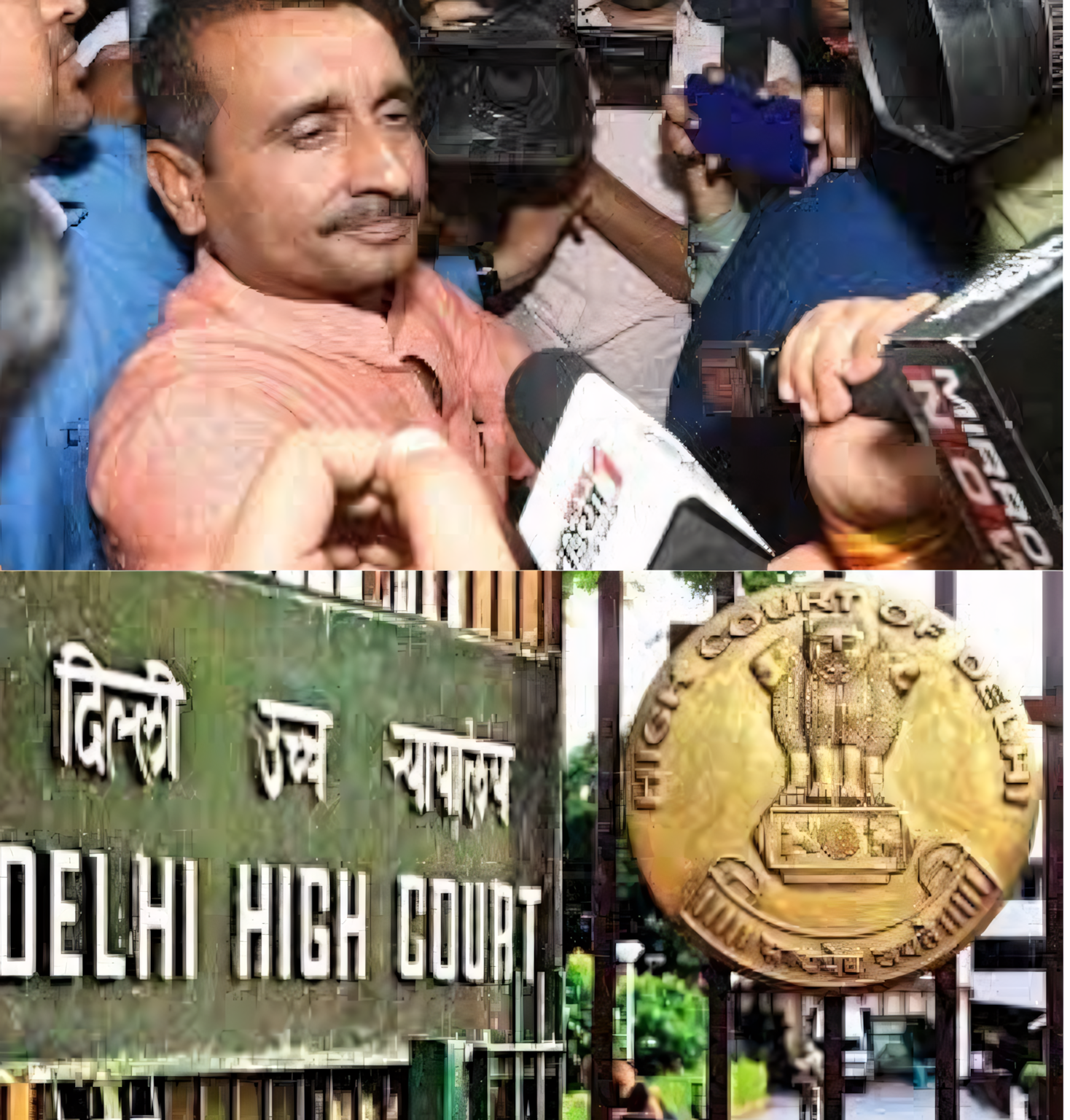
The Delhi High Court has suspended the life sentence of Kuldeep Singh Sengar in the Unnao rape case and granted him bail.
The release of former BJP leader Kuldeep Singh Sengar has reopened a question the justice system never answers clearly — when does punishment actually end, and for whom? Sengar did not serve time quietly. His conviction followed years of intimidation, political shielding and violence around the survivor and her family. The case forced the State to admit how power distorts justice. That history cannot be separated from the present decision. When a man convicted in such circumstances walks out on bail, the law may move forward, but public faith moves backward.
The court imposed conditions such as restricted movement, police reporting and distance from the survivor. However, these safeguards exist only on paper. The survivor’s family will be moving to the Supreme Court against this order. The victim called Sengar’s bail as “death” for her family. The burden of safety once again shifts to the victim, not the convict.
When viewed alongside other recent cases, such as one where Activist Sonam Wangchuk remains without bail for protest-related actions, the judiciary’s irony gets underlined. No conviction for violence exists in that case. No life sentence precedes Sonam’s detention, and yet relief has not followed. The law, here, does not appear restrained by urgency or compassion.
Public protests following the order were predictable. They were not reactions of anger alone but expressions of exhaustion. People are tired of being told that justice survives on procedure while victims survive on courage. When convicts regain freedom before survivors regain security, punishment begins to look symbolic rather than corrective. This release will not be remembered as a legal footnote. It will be remembered as another moment when the law spoke clearly to itself, and faintly to those it claims to protect.
References: