Internet Hooligans Not Student Leaders
A Pattern of Hooligans on Campuses
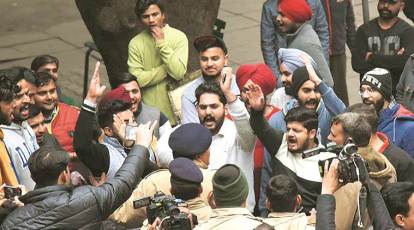
Over the past year, something unsettling has become visible across universities and even schools. Student protests — once rooted in dialogue and collective grievance — are increasingly accompanied by vandalism and hooliganism by self-declared “student leaders.” These are not rare or hidden incidents. They are recorded, circulated, and debated online almost in real time.
From Protest to Intimidation
In several state universities, clashes over fee hikes, hostel rules, or administrative decisions have resulted in broken gates, damaged offices, and defaced classrooms. Videos from campuses show groups claiming to represent students smashing furniture and shouting slogans, not to negotiate, but to overpower. The intent appears less about rights and more about control.
Schools Are Not Immune
What is more alarming is that this behaviour is no longer confined to universities. In recent cases from different cities, groups stormed school premises over disciplinary actions, forcing authorities to withdraw decisions under pressure. Online, these incidents were framed as “student empowerment.” On the ground, they looked closer to coercion.
The Role of Social Media
Social media plays a key role in this shift. Short clips, selective angles, and viral hashtags flatten complex situations into hero-villain narratives. Vandalism is sometimes romanticised as resistance, while the cost — academic disruption, damaged property, and fear among students and staff — remains invisible.
Rights Need Responsibility
Student rights matter. Platforms for dissent are essential. But when protest turns destructive, it weakens its own legitimacy. Campuses are meant to be spaces of learning and debate, not arenas for muscle-flexing under borrowed slogans.
If student politics is to retain credibility, it must draw a clear line between resistance and recklessness. Otherwise, the loudest voices will keep speaking for many who never chose them.