Fight Not Over: On Supreme Court Stay On Sengar’s Bail
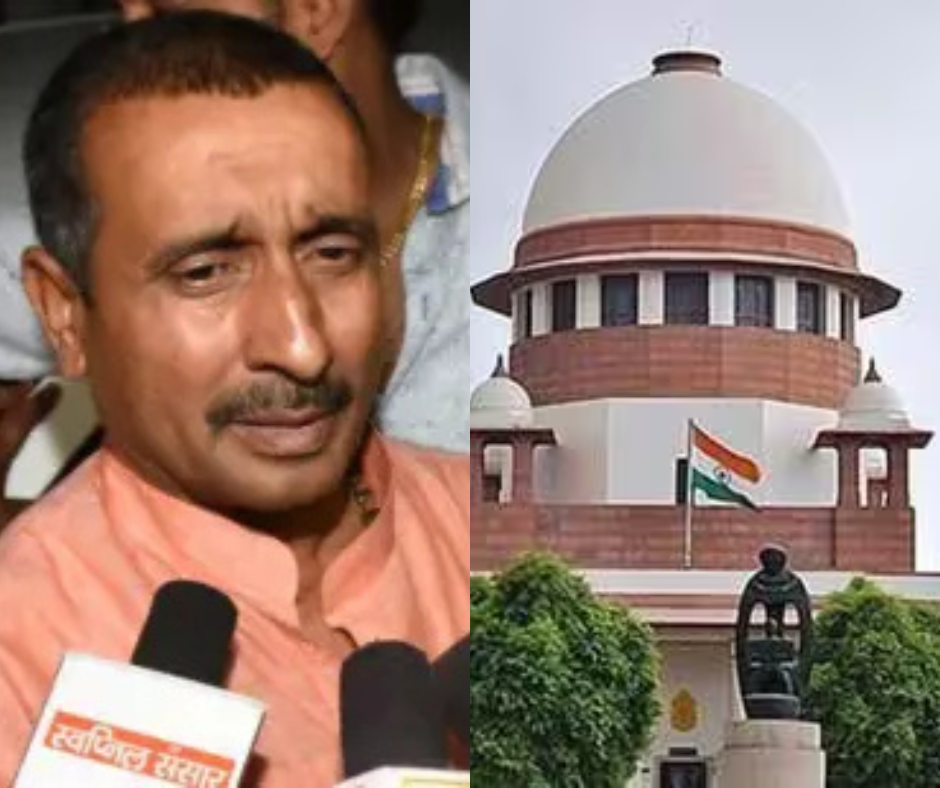
The Supreme Court on Monday ordered stay on bail granted to Unnao Case Convict Kuldeep Singh Sengar by Delhi High Court.
The Supreme Court’s decision to stay the bail order granted to Kuldeep Singh Sengar brings temporary relief, but not closure. It corrects a move that should not have happened in the first place. CBI, incharge of the probe, stated the obvious but much needed – “We are answerable to the child who was only 15 year old when this gruesome crime happened to her”. Yet, calling this a victory would be premature. We are in a bigger fight.
Sengar is not an ordinary convict. His name is tied to a case that exposed how power can bend institutions. His conviction in the Unnao rape case was once seen as accountability finally catching up. The bail order diluted that sense. The Supreme Court’s stay restores some balance, but only for now.
Around the same time, Sengar’s daughter posted a tweet seeking sympathy and fairness for her father. Familial pain is real and cannot be dismissed. But public appeals like these often shift attention away from the crime. The focus moves from what was done to who is suffering now. That shift is dangerous. The suffering of a convict’s family cannot compete with, or cancel out, the trauma of the survivor.
This moment also exposes a larger problem. Our justice system often moves in fragments. One step forward, two steps back. A stay order may stop immediate damage, but it does not erase the years of delay, intimidation, and institutional failure that marked this case.
Need for Consistency
There is still a lot left to earn. Speedy justice, consistency and the assurance that convictions in cases of sexual violence are treated with the seriousness they deserve. The stay order may prevent immediate damage, but it does not settle the larger questions this case has raised. The same public outrage and strong voices that were heard this time must also be raised in the future, even when similar convicts secure bail and even when they are backed by loyal followers or political parties. Justice cannot be selective. Until that principle is upheld, this moment should be seen not as an endpoint, but as a reminder that justice remains a process still in progress.