Mamdani Effect: Zohran Mamdani Writes To Umar Khalid
The NYC Mayor Pens Letter To Umar Khalid
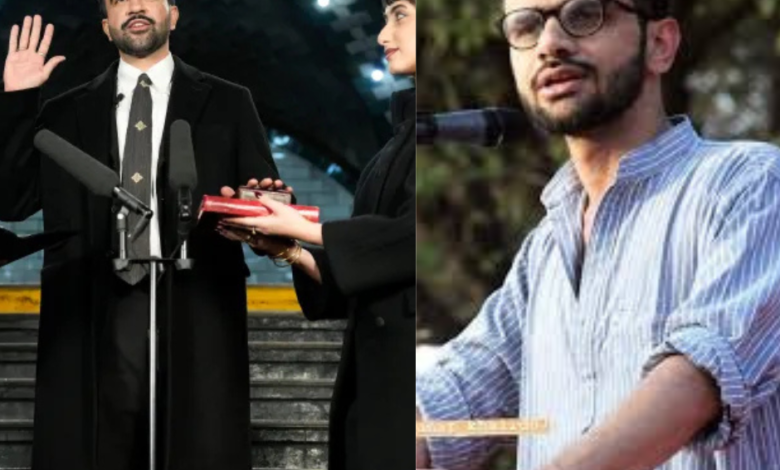
New York City has often acted as a political barometer. When something changes here, it rarely stays local. When Zohran Mamdani took oath on January 1, it marked more than the start of a new term. It reflected a mood shaped by economic pressure and growing impatience with the status quo.
Mamdani’s rise is less about personality and more about what voters are responding to. Housing costs, transport access, and basic services have become daily struggles in a city that once sold itself as a land of opportunity. His openly socialist politics find space not because they are radical, but because existing arrangements feel increasingly unresponsive.
Zohran Mamdani Beyond New York City’s Mayor
The significance of this moment lies in its reach. A socialist wave gaining ground in New York weakens the long-held belief that such politics belong only to the margins. Similar conversations are already visible across parts of Europe and the Global South. What was earlier dismissed as impractical is now being seriously considered.
This does not signal a uniform leftward shift. It signals fatigue. When inequality becomes routine, people are willing to listen to alternatives. New York, because of its influence, amplifies that sentiment far beyond its borders.
A Political Gesture
In this context, Mamdani’s letter expressing solidarity with Umar Khalid may appear brief, but it carried intent. In just a couple of lines, it connected electoral politics with questions of dissent and incarceration, reminding readers that democratic values cannot be selectively applied.
What It Tells Us
This moment is not revolutionary. It is corrective. Voters are not rejecting democracy; they are asking it to deliver more fairly. From New York outward, the message is familiar: when systems stop responding, alternatives find their way in. Whether this wave sustains itself remains uncertain, but the shift in conversation is already visible.