Water Tragedy: On Deaths By Contaminated Water In Indore
Deadly Waters: The ‘Cleanliness’ Irony
When a city that has been crowned India’s cleanest repeatedly becomes the centre of a water contamination tragedy, it forces us to look beyond awards and into everyday realities. In Bhagirathpura area of Indore, Madhya Pradesh,contaminated municipal water has sickened hundreds and claimed lives over the past week, with reports suggesting the toll may be as high as 10 deaths, including infants and women, even as official counts vary. Over 2,000 people are said to have fallen ill, and at least 162 remain hospitalised across multiple facilities.
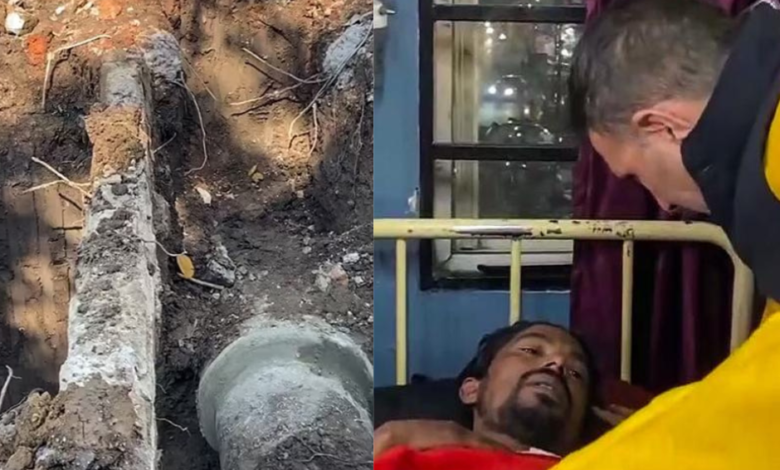
Residents had been complaining about foul-smelling, discoloured water for days before any meaningful action was taken. Investigations later revealed that a sewage leak into a drinking water supply pipeline, made worse by poor planning around drainage and sanitation was the probable cause of the contamination. It is tragical how “clean” the contradiction is – a city celebrated for cleanliness is unable to secure safe drinking water.
Administration’s Lack of Responsibility
This crisis was avoidable and, in many ways, predictable. Complaints were reported and early warning signs too existed. The absence of swift and transparent action before the deaths occurred, points to deeper gaps in governance and responsibility.
If accountability means anything, it should begin before tragedy. Social media releases by elected leaders of the region demonstrating their concern now are of no help. Recognition of failure, proactive monitoring and genuine community engagement are not optional extras but non-negotiable responsibilities. Until institutions internalise that, citizens will continue to pay with their health and sometimes with their lives.