A Calculated Reset: What Vladimir Putin’s India Visit Really Means for New Delhi and the World
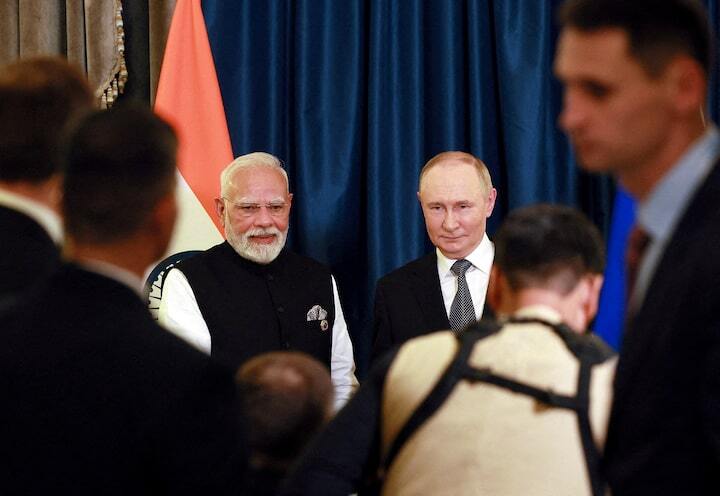

Many see Vladimir Putin’s December 4–5, 2025, visit to New Delhi as a revival of warm India–Russia ties. This is Putin’s first appearance since Russia’s full-scale invasion of Ukraine. But beneath the handshake politics and ceremonial banquets lies a more complex and consequential geopolitical gamble. For both Russia and India, this visit is about recalibration, not nostalgia.
The Optics: A Friendship Under Pressure- and Why It Matters
For Moscow, Putin’s visit signals defiance. Isolated by Western sanctions, Russia is using this visit to show it still has options and that India matters. For New Delhi, hosting Putin reinforces its strategic autonomy and its refusal to be boxed into a “West vs. Russia/China” binary.
But symbolism isn’t everything. This visit is consequential and risky because energy, defense, trade, and global alignments are on the table at a moment when the world’s fault lines are shifting rapidly.
What’s Being Negotiated? Why is it High-Stakes?
Russia is seeking to expand cooperation across various sectors, including energy, industry, agriculture, transportation, technology, and even space. A “strategic economic roadmap until 2030” is to be signed by the two countries, reflecting an intent to collaborate beyond oil and defence.
Despite a global shift away from Russian arms, Russia hopes India might still invest in missile-defence systems and advanced aircraft. This might also include the possibility of a deal for the stealth fighter jets and air-defence systems that both countries have been discussing.
Historically, India’s trade with Russia has been skewed heavily in Russia’s favor, largely due to energy imports. Russia now wants to boost imports of Indian goods. It’s even exploring labour mobility and payments in rupees/roubles to avoid sanctions-related complications.
With Western pressure mounting, especially from the United States, which has threatened tariffs over India’s continued purchase of Russian oil, both countries are sending a signal: that their partnership remains alive and relevant, even if it complicates India’s relations with the West.
What’s at Risk: Strategic Tightropes and Moral Dilemmas
Strengthening ties with Russia has strategic logic, but the visit brings risks. India has been trying to reduce its dependence on Russian defence and energy. It is turning to Western partners and building domestic capacity. Renewing commitments to Moscow now could slow that shift.
India’s closeness to Russia, as the West hardens its stance over Ukraine, may hurt its image as a responsible global power. Russia’s growing alignment with China also means Moscow is unlikely to prioritise India. Its friendship will remain largely transactional.
In a world focused on democracy and sovereignty, openly embracing Putin, even as the Ukraine war continues, could damage India’s credibility.
Why New Delhi Needs to Treat This as More Than “Just Another Summit”
Today’s geopolitical web has sanctions, global alignments, and shifting power balances. India must approach this summit with strategic clarity, not sentimental nostalgia. Deals attuned to defence, energy, and infrastructure must come with clauses that preserve India’s autonomy and flexibility. Economic ties should be diversified to avoid recreating dependency. India should not let Russian imports- or even defence supplies- become the foundation of its long-term industrial strategy. Diplomatic messaging must remain balanced. While maintaining ties with Russia, India should also reassure partners in the West and the Indo-Pacific of its commitment to a rules-based order.
If managed carefully, this visit can yield tangible benefits- better trade, strategic flexibility, energy security- without sacrificing India’s long-term interests. But if handled clumsily, it could entangle India in Russia’s geopolitical struggles and foster dependencies that New Delhi, a rising global power, may later regret.
In short, the handshake matters, but what matters more is what comes after.
Sources- The Guardian, Reuters, bloomberg.com