Alarming Alienation: On Tripura Student Murder Story

The killing of a Tripura student in Dehradun highlights recurring issues of student safety, discrimination against North Eastern students and the alienation that precedes campus violence.
The killing of a student from Tripura in Dehradun has again brought student safety into focus. Arrests have been made, statements have been issued, and official versions are being repeated. But limiting this discussion to law and order alone misses what makes such cases recur.
Students from the North East studying in other parts of the country often speak of feeling out of place. This is not new, nor is it undocumented. Casual slurs, mockery of appearance, language, or food are brushed aside as jokes, even though they leave lasting impact. In this case too, reports suggest that derogatory remarks were used before the violence escalated. Whether authorities classify it as racial or not, the presence of such language cannot be dismissed as irrelevant.
Alienation does not arrive suddenly. It builds quietly, through everyday exclusion and repeated reminders of being seen as “other”. When this is combined with weak institutional support, tensions harden. Conflicts that could have been resolved early are allowed to grow, until one moment pushes them beyond control.
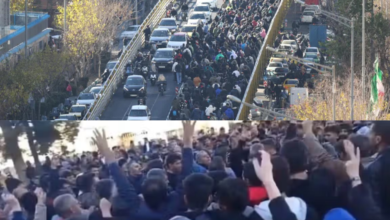
What makes incidents like this more troubling is how predictable the response is. Protests follow. Leaders condemn. Investigations proceed. Then attention moves on. What rarely follows is a serious attempt to address how discrimination within student spaces is handled, or how complaints are taken seriously before they turn into tragedies.
Student safety is not only about physical protection. It is also about dignity, belonging, and the assurance that prejudice will not be normalised. When slurs are ignored and isolation is treated as a personal problem, institutions fail in their most basic responsibility.
If this case is treated as just another violent episode, nothing changes. But if it forces a harder look at how students from the North East are treated, heard, and protected across campuses and cities, it may still serve a purpose. Without that introspection, outrage will fade, and the conditions that led to this death will remain intact.