Changing Roles: On Deepinder Goyal Resigning As Eternal CEO
Deepinder Goyal, on Wednesday, stepped down as CEO of Zomato's parent company Eternal.
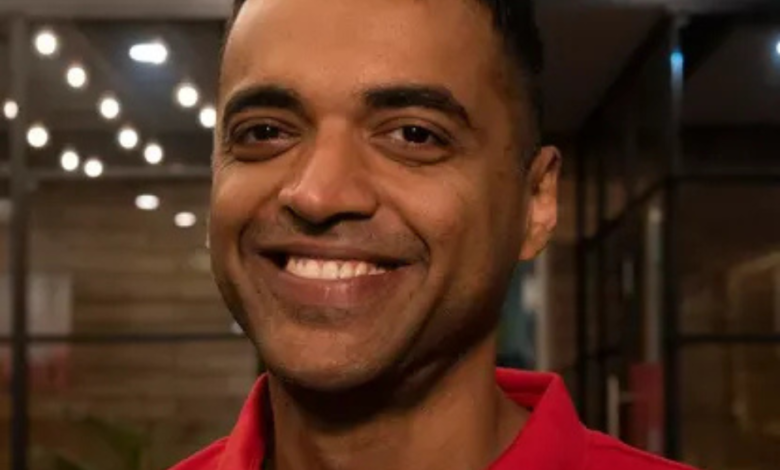
When Deepinder Goyal decided to step down as the CEO of Eternal, the holding company that runs Zomato and its other businesses, for many, it felt strange. Goyal has been the face of Zomato for nearly two decades. His journey is tied to the company’s rise, its failures, its comeback, and its survival in a brutal market.
On record, this is just a leadership transition. Goyal moves to a non-executive role, and Albinder Dhindsa takes charge as CEO. But transitions like these are never just about titles. They reflect how a company is changing, and how the people who built it are choosing to step aside when the nature of the work changes. Startups begin with chaos. They survive on instinct, risk, speed and stubborn belief. Zomato was no different. It grew on last-minute decisions, experimental launches, and an almost reckless hunger to expand. That phase needs a founder who can live inside uncertainty. But a company that now employs thousands, operates across countries, and answers to public shareholders runs on a different rhythm.
ALSO READ: Dangerously Discriminatory: On Congress MLA’s Remarks
Goyal’s decision does not read like an exit born out of pressure. It feels like an admission that building something and running something large are two different skills. Founders are often expected to stay forever, as if loyalty to a company means holding on even when the role no longer fits. That idea is outdated.
Albinder Dhindsa’s rise inside Eternal is also telling. He is not an outsider brought in to “fix” things. He is someone who has grown with the system, seen its mistakes, and lived through its near-collapses. That kind of leadership carries memory, not just authority. For India’s startup ecosystem, this moment is important. It shows that companies can grow up. And that legacy is not erased when responsibility is shared.