ODI DEBUT ? : 4th Century in VHT, Devdutt Padikkal emerges as a strong contender for New Zealand Series
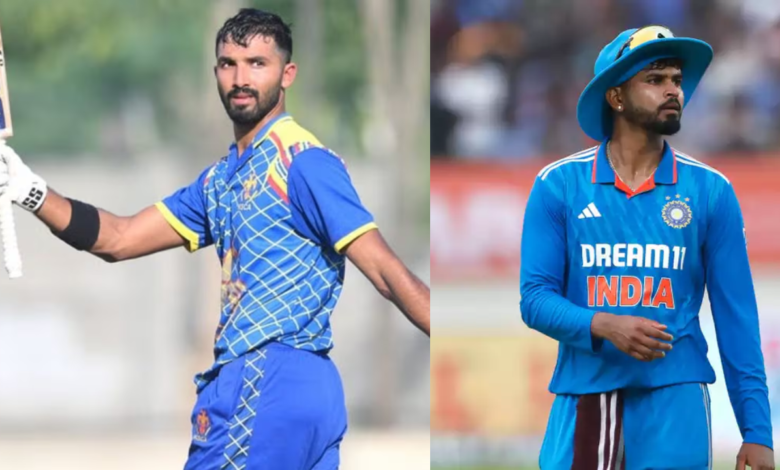
Devdutt Padikkal is in strong contention for an ODI debut as Shreyas Iyer likely to miss New Zealand Series. With fourth century in Vijay Hazare trophy in his 5th match and a stellar List A record, selector are closing examining this 25 years old Karnataka batter.
On a day when India will announce the squad for the upcoming three-match ODI series vs New Zealand, Devdutt Padikkal forced selectors to looks at him once again. Karnataka’s stylish left handed opener hit his 4TH CENTURY IN 5TH INNINGS in the ongoing Vijay Hazare Trophy. A century when his team has lost early wickets show how strong his mindset is. With a strike rate of 90.68, Devdutt is forcing selectors to look at his bat.
Yet another 💯 for Devdutt Padikkal 👏
— BCCI Domestic (@BCCIdomestic) January 3, 2026
His 4️⃣th in 5 matches and 13th overall in List A cricket👌
What a tournament he's having 🔥
Scorecard ▶️ https://t.co/mOw4wlb21n#VijayHazareTrophy | @IDFCFIRSTBank pic.twitter.com/CHaa44AMKe
Shreyas Iyer seems unlike to appear in New Zealand series, makes open’s door for Devdutt Padikkal
Shreyas’s setback has forced selection committee to look up for a alternatives, and Devdutt Padikkal has moved into the focus. The RCB batter has been in a sensational form during his Vijay Hazare contest. He began his tournament with a smashing century against Jharkhand, followed up with a hundred against Kerala, and continued his run with a third century against Kerala, and fourth against Tripura. With 4 centuries is his bag in just 5 innings, Padikkal has turned this tournament into his personal fest.
Padikkal’s List A record further strengthens his case. He has smashed 12 centuries, 12 half centuries with a average of 84, even his adaptability make him a stronger contender, he can bat in top order as a well in middle order, making him a flexible option for team management. Even his fierce batting style with calm attitude, make him a star performer.
Devdutt has already represented India in test and T20I. Padikkal’s has now keeping his eye on ODI debut. As India’s Vice – Captain Shreyas Iyer seems to ruled out of the series, Padikkal has a strong chance to represent Indian in ODI jersey.
![Seher Hone ko Hain Kausar and Seher as mother-daughter duo [Source :Social Media]](https://realitypost.in/wp-content/uploads/2025/12/20251220_090225-scaled.jpg)