Notes Missed: On A.R. Rahman Controversy Row
A.R. Rahman’s comments about changes in his Bollywood work and possible communal dynamics sparked a heated debate.
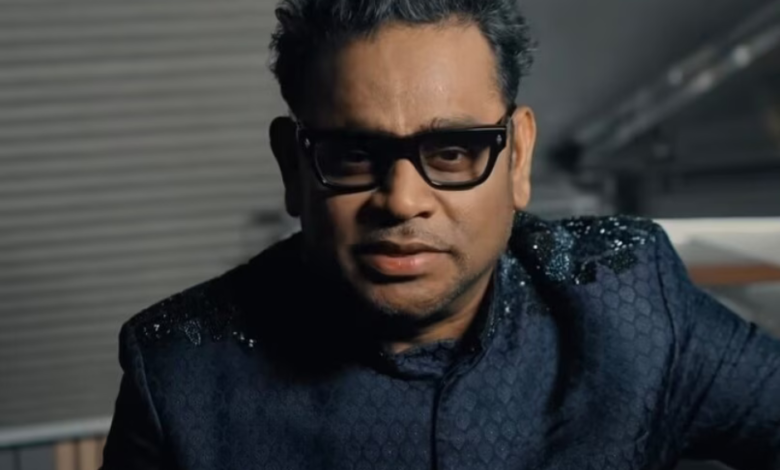
Recent remarks by A.R. Rahman about his career in Hindi cinema have triggered a discussion that goes beyond film credits or soundtrack listings. In a BBC interview, the Oscar-winning composer spoke candidly about how his work from Bollywood has slowed over the past eight years, and in doing so he touched on something few artists speak about publicly — how industry power shifts can affect opportunities. In that context, he suggested that part of that change may have been affected by dynamics that are harder to define, including what he described, cautiously, as possibly communal bias.
The point Rahman was making was not an accusation, nor did he claim to have faced overt discrimination. He said it was something he had only heard through “Chinese whispers,” and that he never felt targeted directly. Yet, because his words touched on religion and industry politics, reactions were immediate and intense — ranging from sharp criticism on social media to heated comments from sections of the film world. Some voices pushed back strongly, questioning whether bias in Bollywood is real or exaggerated. Others went further, turning the conversation personal and hurtful.
ALSO READ: Yet Another Tragedy: On Noida Techie Death & Investigation
Faced with the backlash, Rahman took to social media to clarify his intentions. In a video message, he reiterated that he had never meant to hurt anyone, that India is his inspiration, his teacher and his home, and that his lifelong aim has been to connect and celebrate culture through music. He spoke about projects that bring people together, like orchestras, collaborations with young musicians, experimental bands, and even composing for the Ramayana and stressed that his purpose has always been to uplift, honour and serve.
What stands out in this episode is not just the debate over his words, but how quickly a personal reflection about career and creative space turned into public argument. When an artist speaks about his own journey about power, opportunity and change — it inevitably resonates differently with different audiences. Some hear critique, others see vulnerability, and still others read offence.
It is worth remembering that creative careers are shaped by many forces, such as changing tastes, new voices, evolving markets and yes, sometimes politics. Rahman’s remarks were not a sweeping indictment, but a personal observation about shifting landscapes in an industry where perception and opportunity are tightly intertwined.
The debate that followed shows how sensitive these conversations have become, not just in entertainment, but in any space where identity and opportunity overlap. And while opinions will vary, the composer’s clarification is a reminder that intention matters as much as interpretation. In a world quick to judge and slow to listen, that balance is becoming harder to find.
References:
https://www.wionews.com/videos/a-r-rahman-video-apology-clarifies-communal-remark-row-1768827057657