Fare or Unfair: On Ola, Uber, Rapido Drivers February 7 Strike
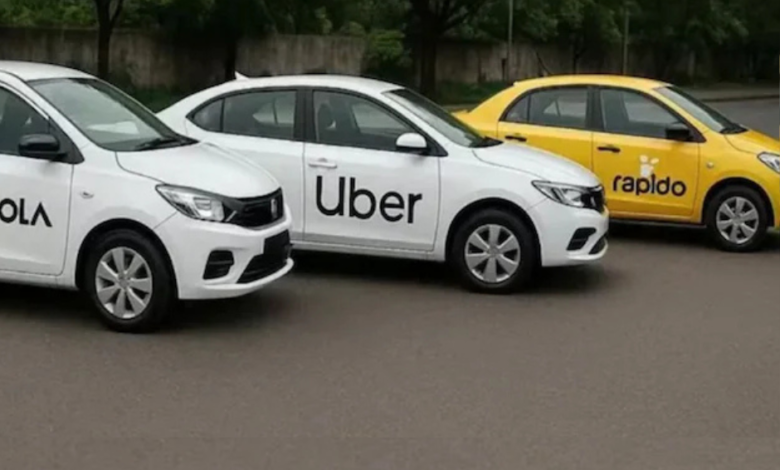
Saturday’s six-hour national strike by Uber, Ola, Rapido and app-based porter drivers doesn’t feel like a spectacle. The drivers put forward two demands. First, goverment intervention in policies regulating fares. Second, to restrict commercial use of private vehicles. This strike is happening against the backdrop of another shift: the launch of Bharat Taxi earlier this week. Yet, more choices for riders do not automatically mean better pay for drivers. The underlying dynamics — high commissions, rating-based incentives, and algorithmic allocation — remain similar across platforms. Bharat Taxi’s presence has disrupted city dispatch patterns, but it has not yet rewritten the rules that govern earnings on the driver’s side.
ALSO READ: Essential Initiative: On Launch Of India’s Co-op Bharat Taxi Platform
When platforms talk about rising costs, the common response is to urge drivers to increase fares or to push the cost onto customers. That logic is unsettling. Customers already feel the pinch of daily expenses. If the entire burden of higher fuel prices or platform fees is poured onto them, the short-term harmony of cheap rides masks the long-term fragility of the system.
Strikes in traditional industries have long been seen as leverage — reminders that labour is not infinitely elastic. In the gig economy, that tension has mostly been quiet, expressed through ratings and reviews rather than picket lines. Today, the absence of movement on the roads is the message. Apps may be digital, but the work behind them is physical. And physical work deserves wages and conditions that don’t depend on shifting algorithms. The cost burden should not be something passed down to the customer alone, absorbed in the name of convenience. Aggregators — the ones setting the rules of engagement — need to rethink how value is shared across the system.