Core Values compromised as Parliament passes VB-G RAM G Bill
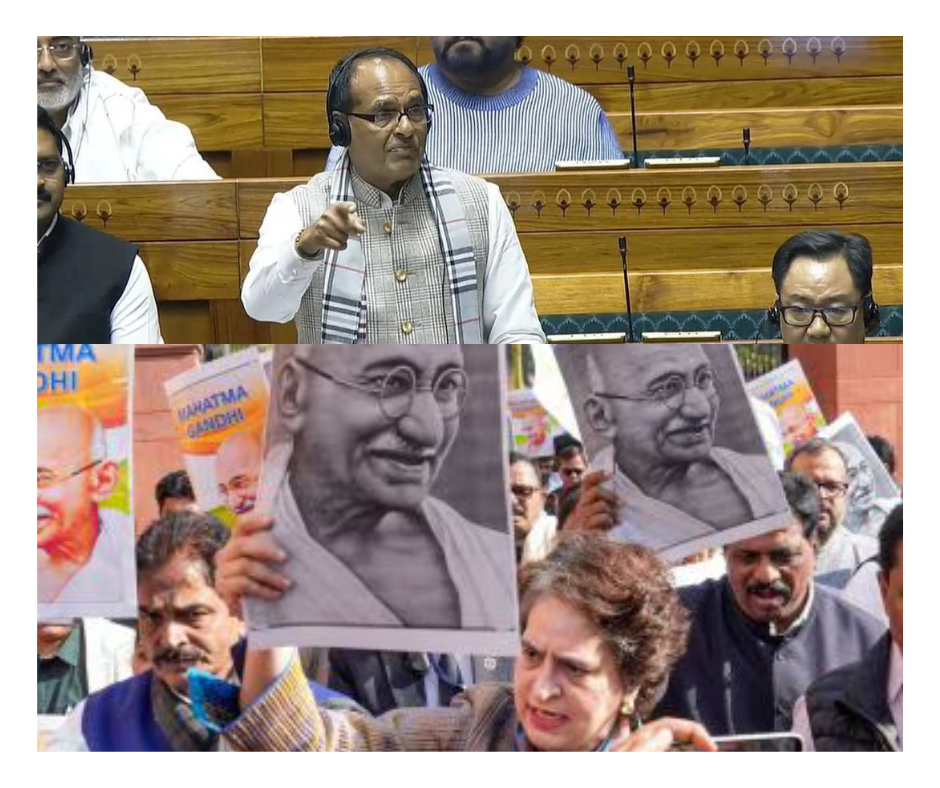
With Rajya Sabha’s nod VB-G RAM G Bill, previously MGNREGA, gets cleared. Here’s what changed.
Parliament on Saturday passed the VB-G RAM G Bill replacing the old MGNREGA, and called it reform. The change does not expand rural employment as much as it reshapes control over it. What once operated as a legal right now sits closer to an administratively managed scheme. The government points to 125 days of guaranteed work as proof of ambition. That number alone means little. Under MGNREGA, workers rarely secured the full 100 days. Access failed long before the ceiling did. Increasing the limit without fixing access weakens the idea of a guarantee.
MGNREGA worked because villagers demanded work and the system had to respond. The Union paid wages for unskilled labour. The new law breaks that logic. It caps allocations, redesigns funding, and places the Centre at the top of decision-making. States now pay a larger share but control less of the process. This shift explains the unease among States. They must pay unemployment allowance and compensation even when allocations fall short. They absorb the risk without holding the lever. In a federal system already tilted towards the Centre, that matters.
Supporters argue the new structure will improve efficiency. That assumes discretion works better than rights. MGNREGA assumed the opposite. It treated work as an entitlement, not a benefit. It forced the administration to act when people demanded employment. The new law relies more on planning than on demand.
Tamil Nadu and Kerala have opposed the Bill for this reason. With State finances stretched and revenue uncertainty unresolved, a 60:40 funding split limits flexibility. States may implement the scheme, but few will push it hard.
The decision to drop Mahatma Gandhi’s name sharpens the break. MGNREGA drew strength from the idea of Gram Swaraj—local demand, decentralised power, and accountability at the village level. A centrally steered programme does not carry that legacy forward but replaces it.
Some provisions in the Bill address real problems. Avoiding clashes with agricultural seasons makes sense. The government could have fixed these issues within the existing law. It chose replacement instead.
That choice deserves scrutiny. The government has not explained why reform required dismantling a rights-based framework. It has only promised better outcomes. Altering a major national scheme just for the apparent objective to align it with the RSS ideology is easily subjugating national interests by personal ideological interests. The real test will not lie in Parliament’s assurances. It will lie in how easily rural workers can still demand work, receive it on time, and claim compensation when the system fails. On that front, the new law offers fewer certainties than the one it replaces.