Air Loss: On GRAP-IV Reimposition In Delhi NCR
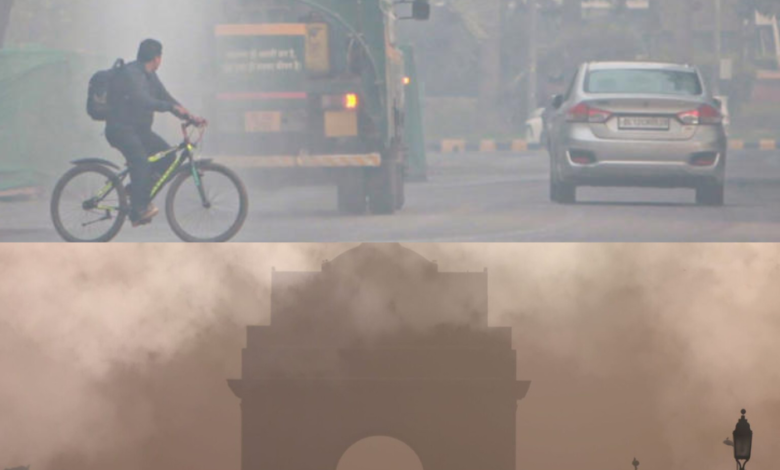
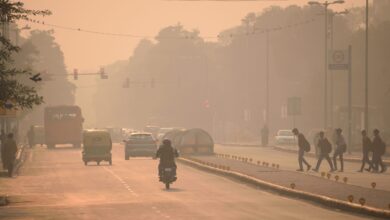
Delhi NCR has once again slipped into its winter routine. The kind where the cold settles in early, the mornings turn misty, and the air becomes something you notice before you even step out of bed. This week, as minimum temperatures dipped and visibility fell across parts of the Capital, the Air Quality Index crossed into the ‘severe’ zone, forcing authorities to bring back GRAP-IV restrictions.
Construction has been halted. Diesel generators have been banned. Traffic curbs have been tightened. On paper, the response looks firm. On the streets, it feels familiar. For most residents, this is not a new emergency. It is an annual adjustment. Parents limit outdoor play. Morning walks are cut short. Office commuters carry masks more out of habit than caution. Flights get delayed. The sun struggles to cut through the haze. And life continues — slower, heavier, but uninterrupted.
The Graded Response Action Plan has become part of the city’s winter calendar. It arrives every year, stays for a few weeks, and leaves when the wind direction changes. The intent is necessary. The effort is visible. But its temporary nature is also its biggest limitation. It manages the moment, not the problem.
ALSO READ: On Mismanagement & Failure At India Open Badminton Tournament
What stands out most is not how bad the air gets, but how quickly people adapt to it. The city no longer reacts with alarm. It reacts with resignation. Windows are shut. Plans are postponed. Conversations revolve around AQI numbers and weather forecasts. This is no longer a crisis that shocks. It is a condition people prepare for.
The return of GRAP-IV is a reminder that Delhi’s pollution problem is no longer seasonal — only its response is. Until long-term fixes move faster than emergency curbs, winters will continue to arrive with the same warning signs and the same short-term solutions.
Delhi has learned how to live with bad air. The real challenge is whether it can still imagine living without it.