
Conviction Crisis: On U.S. Exiting 60+ Climate Conventions
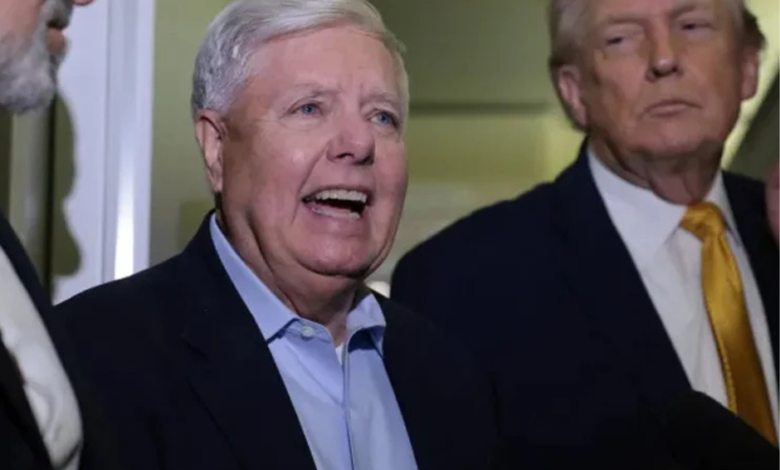
The U.S. on Thursday (January 8, 2026) withdrew from the India-led International Solar Alliance and other multilateral climate bodies.
The United States’ decision to walk out of the International Solar Alliance is not just a diplomatic shift. It reflects a deeper political belief — that climate change is negotiable, and cooperation is optional. The ISA, founded by India and France and headquartered in Delhi, was built to promote solar technology and clean energy adoption across more than 90 member nations. It was launched in 2015 alongside the Paris Climate Summit as a symbol of collective responsibility.
ALSO READ: Cruel Care: On Supreme Court’s Stray Dogs Address
When the U.S. joined the alliance in 2021, it was described as a “big boost” for global solar efforts. Its exit now, along with withdrawal from the UN Framework Convention on Climate Change and dozens of other international bodies, signals a return to Donald Trump’s long-standing scepticism towards climate science and environmental agreements.
Trump has repeatedly dismissed climate change as exaggerated or politically motivated. That worldview is now shaping policy. Leaving climate conventions is not just a rejection of paperwork and summits; it is a rejection of shared accountability. It tells the world that environmental damage can be treated as a domestic issue, even when its effects are global.
Long-Term Impact
The impact of such exits will not be immediate, but it will be cumulative. Climate cooperation relies on funding, technology sharing, research and long-term planning. When a major economy steps away, it weakens financing pipelines, slows innovation partnerships and disrupts the momentum that renewable energy transitions depend on — especially in developing countries.
The irony is that climate damage does not respect borders. Rising temperatures, extreme weather, food insecurity and water stress will affect Americans as much as anyone else. Opting out of global frameworks does not shield a nation from floods or heatwaves.
The real danger lies in normalising climate denial as policy. When the world needs stronger coordination, withdrawal sends the opposite message — that environmental responsibility is a choice, not an obligation. And the planet will not wait for political convenience.