Carribean Capture: US Arrests Venezuela President
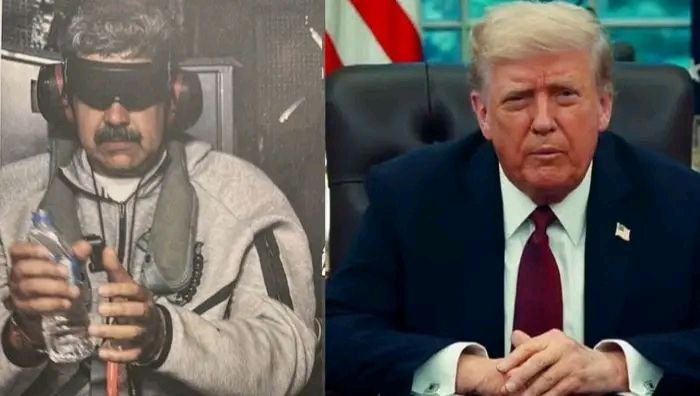
The arrest of Venezuelan President Nicolás Maduro and his wife by U.S. forces sets a dangerous precedent of violating sovereignty under the guise of justice. Maduro’s tyrannical policies are well known to the world. However, invading a nation with military power—without provocation or armed escalation from the other side—remains a violation of international law, regardless of the country’s internal political dynamics.
Around two hours past midnight, explosions were heard in the capital city of Caracas. These were followed by similar attacks across multiple states. The strikes left more than 100 Venezuelans dead, while Mr. Trump proudly announced “no American casualties”. A true mark of a potential Nobel laureate.
The United States’ intent remains the biggest question. Venezuela holds the largest proven oil reserves on earth, and America’s fondness for black gold is no secret. The U.S. rarely intervenes merely to alter political trajectories, but more to reshape the energy markets. Within hours of the invasion and arrests, U.S. forces seized two oil tankers, citing oil blockade.
Mr. Trump referred to Maduro as a “kingpin for trafficking deadly illicit drugs into the U.S.”, calling the operation “one of the most stunning and powerful displays of American might”. Discussing the President’s words, however, carries little significance. Another statement tomorrow—or the day after—will render this one less prattling.
Amid international concern, Venezuela’s internal politics are also in flux. Opposition leader María Corina Machado posted on X, formerly Twitter, that the hour of freedom has arrived. At the moment, Delcy Rodríguez has been sworn in as the interim leader of Venezuela.
India sho clearly articulate its stance on the American operation—aligning with democratic principles while simultaneously upholding sovereignty and international law.
References: