Health Is Wealth?: On US Preparing To Exit WHO
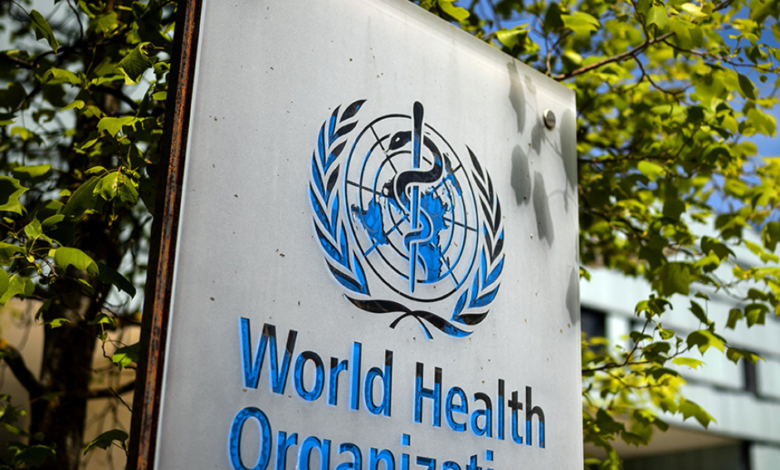
The news that the US is preparing to withdraw from the World Health Organization (WHO) feels significant not because of legal jargon, but because of what it says about global cooperation in a world still recovering from pandemic shocks.
For decades, the WHO has been the one body tasked with coordinating responses to outbreaks, guiding international health norms, and supporting countries with weak health systems. It has never been perfect. Every institution of humanity carries flaws and blind spots. But when a nation that once led — through influence, funding and technical engagement — decides to step back, the ripples are felt further than most headlines suggest. Public health is not like trade or diplomacy, where negotiations happen behind closed doors. It is a domain that touches everyday life. When WHO issues guidance, it impacts how diseases are tracked, how vaccines are distributed, how health workers are trained and how governments prepare for emergencies. Countries lean on this collective framework because no epidemic respects borders.
ALSO READ: Changing Roles: On Deepinder Goyal Resigning As Eternal CEO
The U.S. has been one of the largest contributors to the WHO budget. It helped shape early frameworks for HIV/AIDS, polio eradication efforts and, most recently, COVID-19 vaccine distribution mechanisms. Its withdrawal is not merely a funding shift. It is a symbolic retreat from a space where collaboration, data sharing and collective responsibility matter. Critics of the WHO are right that the organisation has missteps. Bureaucratic slowdowns, delays in early pandemic warnings, and uneven responses in different regions — these are real shortcomings that deserve scrutiny. But reform and critique are one thing. Walking away is another.
Public health crises are not tribal. They do not respect power hierarchies or political convenience. A virus does not consult a list of donor nations before spreading. Stepping back from a global health body when scientists warn of future pandemics, climate-linked disease shifts and persistent gaps in health equity feels premature at best. It sends a message that national priorities are separate from global ones, even though the two are increasingly intertwined.
The U.S. may believe it can pursue parallel strategies, or build alternative frameworks. But global health is like herd immunity — it works best when participation is broad. Fragmentation leaves gaps. Gaps allow diseases to fester. And outbreaks, once ignited, do not wait for alliances to reassemble. If the goal is to improve global health cooperation, the answer should be reform from within, not exit to the outside. Leaving a room does not fix an argument. It only shrinks the space where solutions are still possible.