
Equity Vs Enmity: On Supreme Court’s Stay On UGC Bill
Following the Supreme Court stay on the UGC’s equity regulations, focus should be on revisiting specific clauses, not on scrapping the Act entirely.
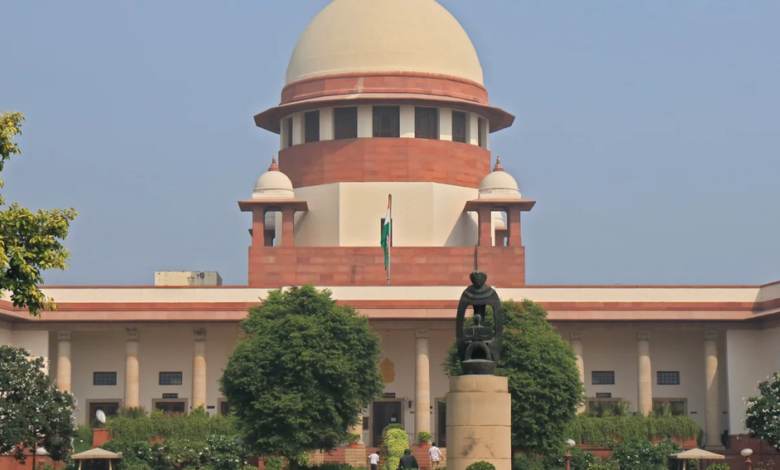
The Supreme Court’s decision to stay the University Grants Commission’s new equity regulations is a reminder of how difficult reform can be when good intentions collide with social concerns. The equity rules, aimed at widening opportunities in teaching and promotion by factoring in historical disadvantage, ran into legal challenge soon after they were notified, with critics arguing that they went beyond what the parent Act allows. By staying them, the Court has created a pause that invites reflection, not rejection.
It is important to acknowledge why the regulations were framed in the first place. For years now, there has been frustration that many campuses do not reflect the diversity of the student body, much less society. Faculty ranks and leadership positions often remain concentrated in familiar networks, leaving long-standing inequities unaddressed.
ALSO READ: Kids Off Internet: On France Social Media Ban For Teens
At the same time, the controversy shows that reform cannot be built solely on aspiration. Laws and regulations derive their force from clarity, precision and a sense that those affected were part of the conversation. If a provision reads as though it expands power without clear statutory backing, or if it appears to override established processes without explanation, it invites challenge.
That does not mean the entire UGC Act or its reform agenda needs to be scrapped. What is needed is a measured rethink of specific clauses i.e. adjustments that align the intent with the legal framework and with the lived experience of teachers and institutions. For example, defining transparent, objective metrics for affirmative measures so they do not feel discretionary or open to inconsistent interpretation. Moreover, ensuring that the reported cases of discrimination are investigated carefully and those reporting false cases face significant penalties.
Lawmakers, educators and administrators are not on opposite sides here. They share a common aim. An equitable, excellent higher education system. The question is not whether to pursue equity, but how to do so in ways that feel fair, grounded and legally sound. Reconsideration of targeted clauses — not wholesale renewal, is the path that honours both intent and institutional integrity.